Virginia Marine Debris Resource Hub
resources to help Virginians address marine debris in their homes, towns, and waterways
This website is for you!
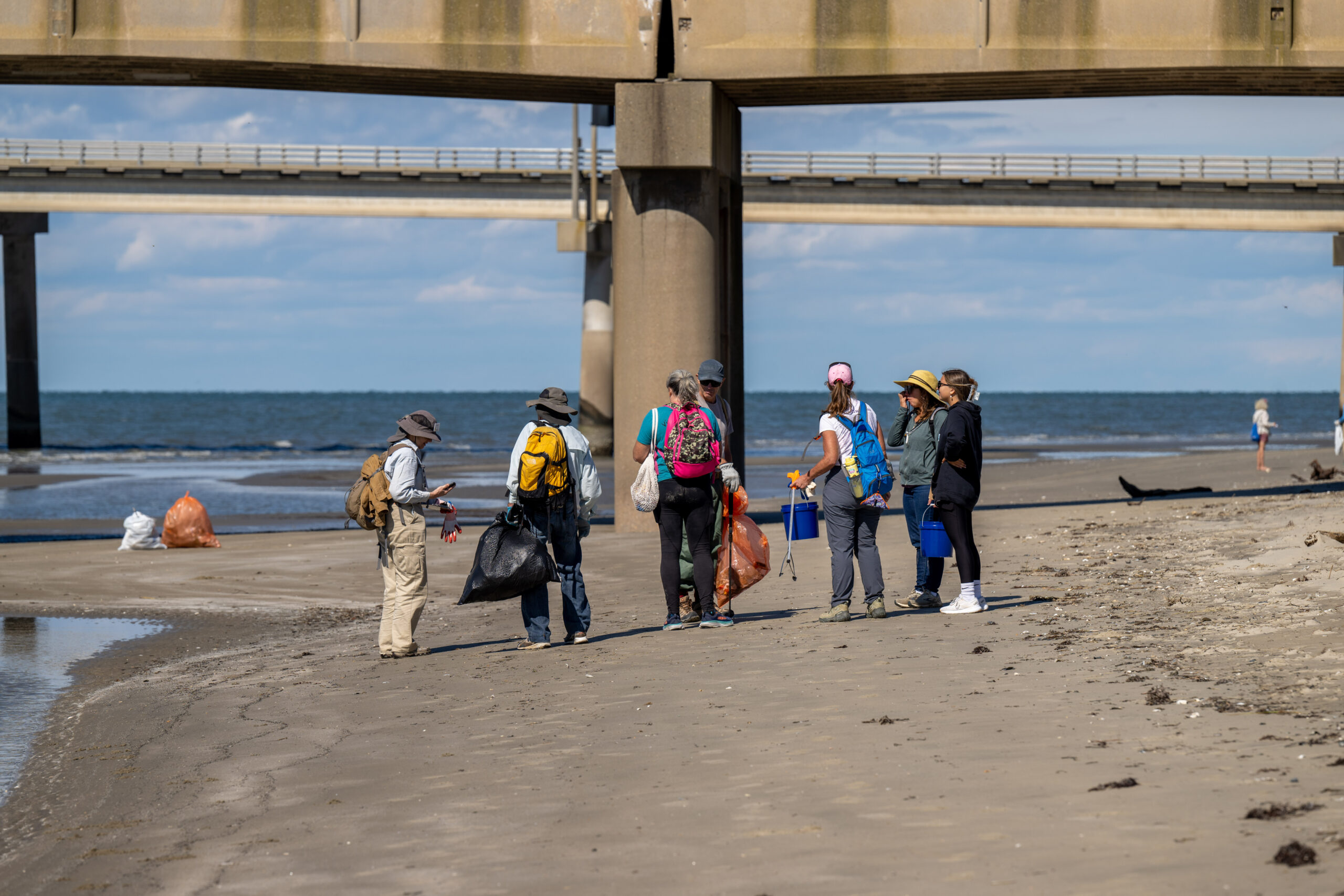
We all have a role in preventing litter and marine debris in Virginia's rivers, the Chesapeake Bay, and the ocean!
Use this hub of resources as a starting point and identify opportunities to get involved and take action!
Explore sections designed for
- Residents
- Boaters and Fishers
- Businesses
- Educators
- Policy Advocates
- Researchers
The content featured on this site highlights resources offered by a partnership of nonprofits, local/regional/state agencies, businesses, academic institutions, and others.
If you have a suggestion for additional resources to share, please reach out using the contact form on the About Us page.
"Marine Debris" is any persistent, solid, human-made waste that enters marine or coastal environments.
Marine debris comes from many different sources and enters the ocean in many ways. All kinds of litter and trash finds its way to Virginia's streams, rivers, the Chesapeake Bay, and ultimately into the ocean. This marine debris is made up of a lot of plastic!
For this reason, the Virginia Marine Debris Reduction Plan, a state-wide focused plan, addresses four main types of marine debris found in Virginia- consumer debris (especially single-use plastics); improperly discarded fishing gear (a lot of plastic lines and pieces); microplastics and microfibers (found everywhere); and abandoned watercraft (built with lots of plastic parts).
We use "marine debris" to also refer to mismanaged waste in all water bodies, not just saltwater like the "marine" name suggests. Trash found in rivers, lakes, and the ocean are all marine debris!
Learn more at Marine Debris Overview
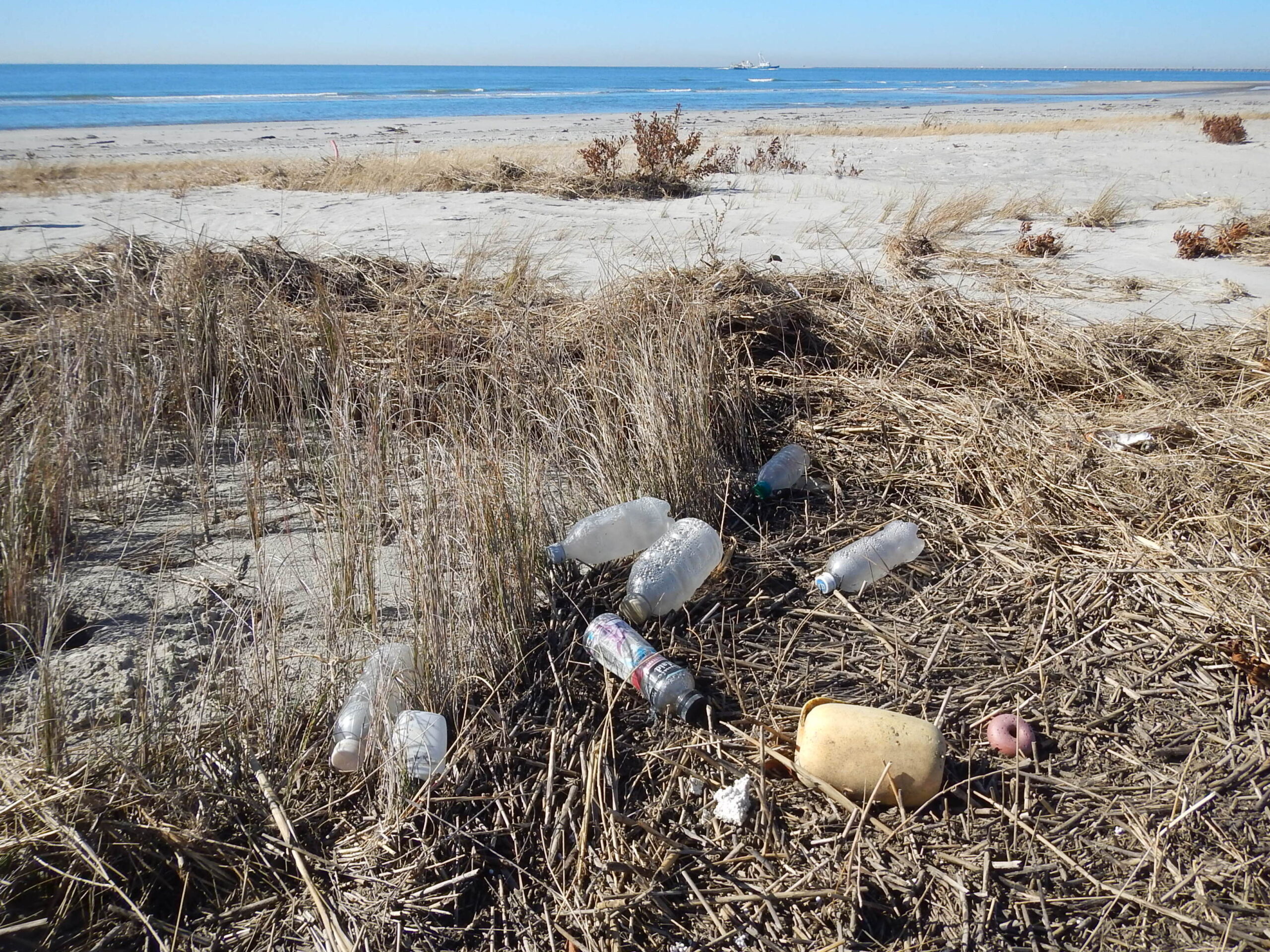
Land: Most marine debris (80%) starts on land. The things we use every day, like plastic bags, bottles, or food containers, can get blown or washed into waterways by wind and rain. Once this debris is in rivers and streams, it can travel all the way out to the bays and ocean.
Sea: Some marine debris starts out on the water. Lost fishing gear, trash dumped from boats, or containers that fell from ships can enter the ocean and float for years.
Natural Disasters: Natural disasters like hurricanes, floods and tornadoes create strong winds, heavy rain and flooding that can sweep everything from backyard furniture to parts of houses into rivers, lakes and the ocean.
Learn more at Marine Debris Overview
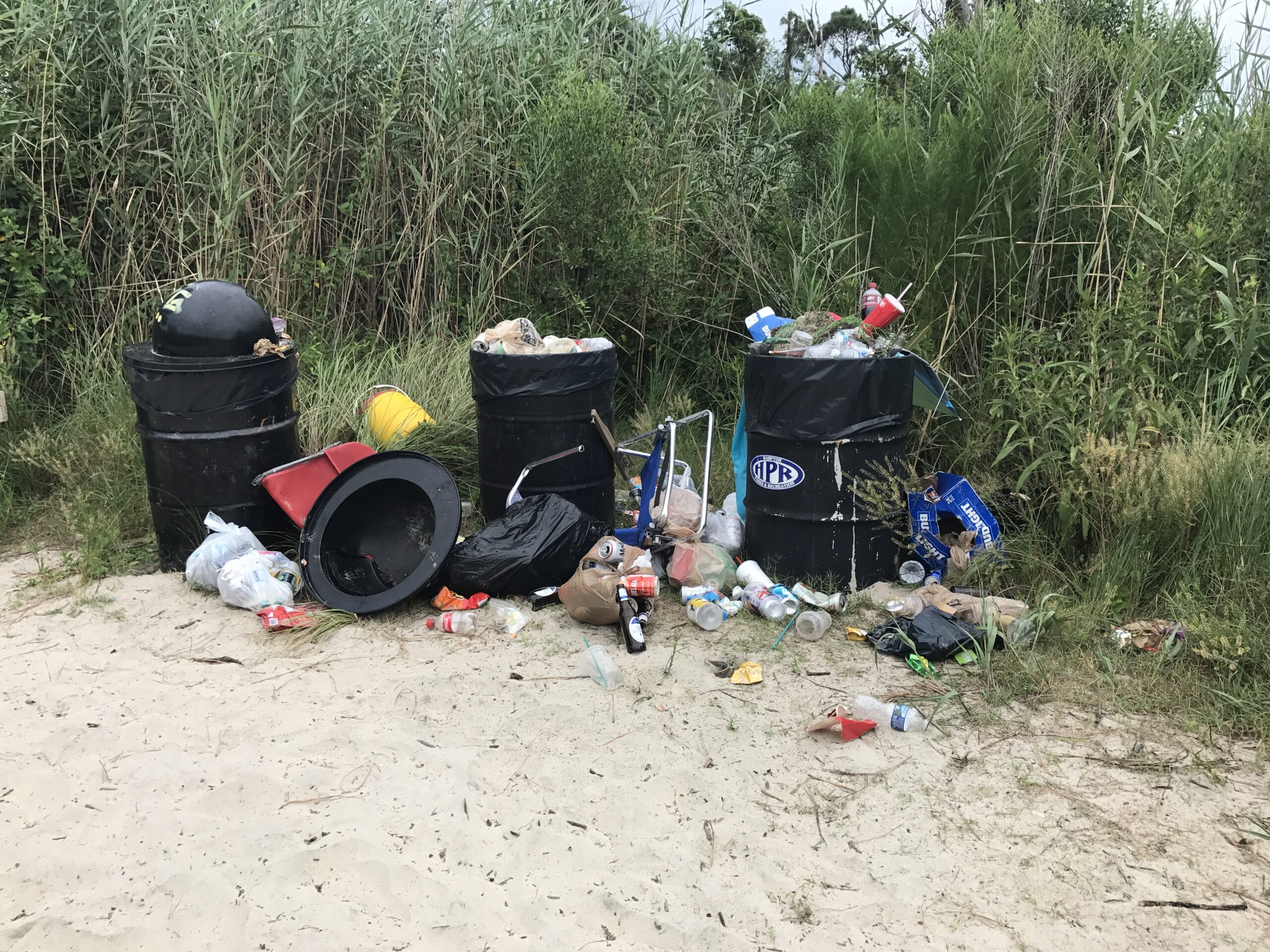
Not only are Virginia's neighborhoods and human-built environments impacted by plastic pollution, but also our natural terrestrial and aquatic environments like our woods and rivers- from the microscopic level to the debris items collected at every clean-up, such as plastic bottles and bags. This plastic pollution leads to the buildup of marine debris in Virginia's coastal waterways, on Virginia's beaches, and in our ocean.
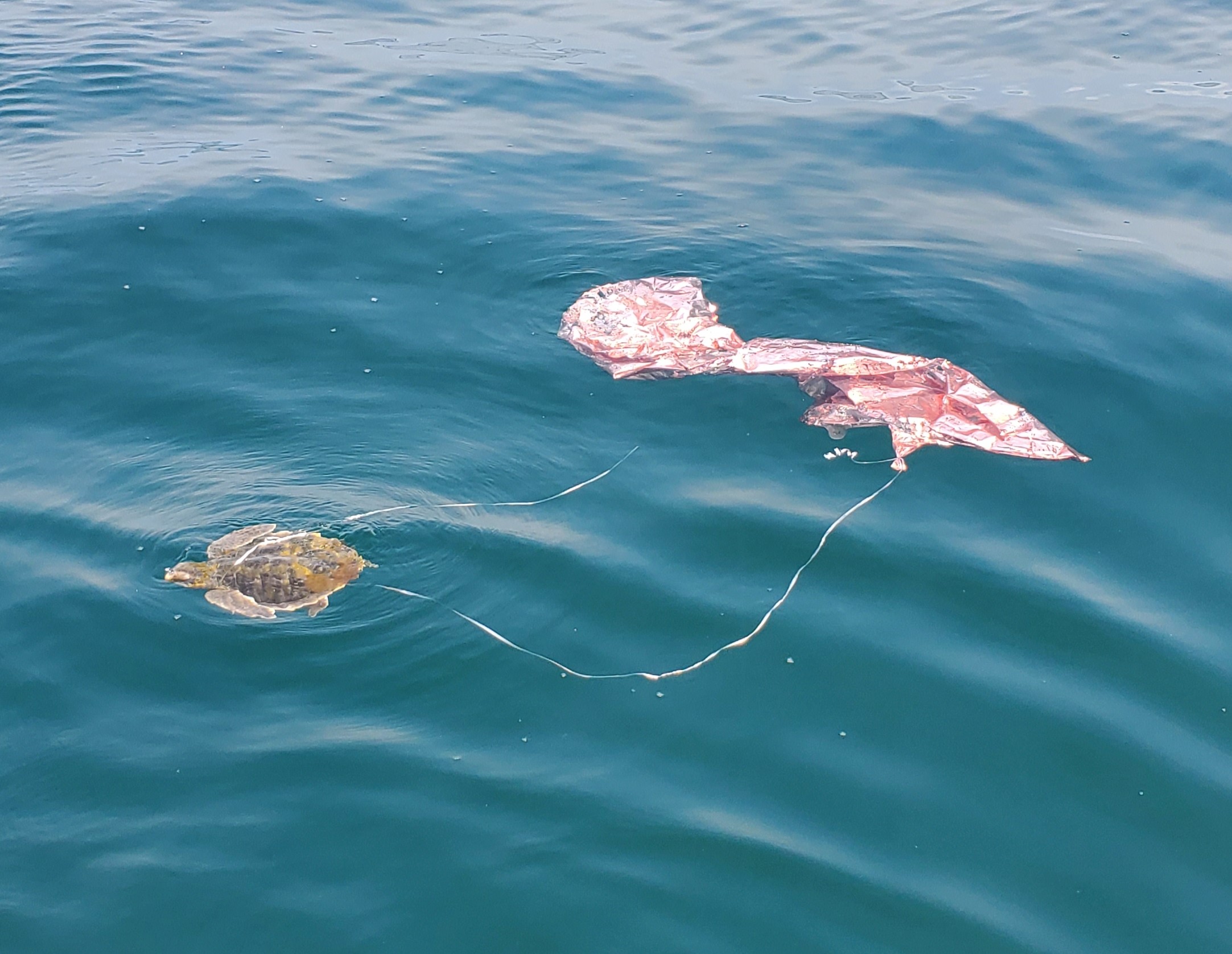
Marine debris affects aquatic and marine wildlife like sea turtles, whales, and birds; deters tourism; jeopardizes shipping and local economies; and poses risks to human health and safety. Plus, it's unsightly and unsanitary, and no one likes to see trash near their homes, in the water where they swim or fish, or on the beach during a long-awaited vacation!
Learn more at Marine Debris Overview
Lots of things!
This website will help you find resources and opportunities to get involved in tackling marine debris.
Are you an educator? Do you work or play on the water? Are you looking for ways to reduce your plastic footprint? There are many ways to make your life, livelihood, and community cleaner, healthier, and more sustainable!
virginiamarinedebris.org is a starting point to take action, placing resources in one convenient, accessible website!
Explore more topics using the buttons below!